The Problem
For too many women, SRH care never happens—not because help does not exist, but because the clinic feels far, costly, or shameful. Apps built for English and long forms quietly exclude the women Myna Mahila serves. When programs run on WhatsApp, YouTube, Excel, and paper, one missed call or lost record erodes trust; when demand spikes, volunteers cannot keep up. The foundation needed a single place women could trust with sensitive questions—and a way to run care at scale without asking staff to hero every evening.
Our Approach
- 01
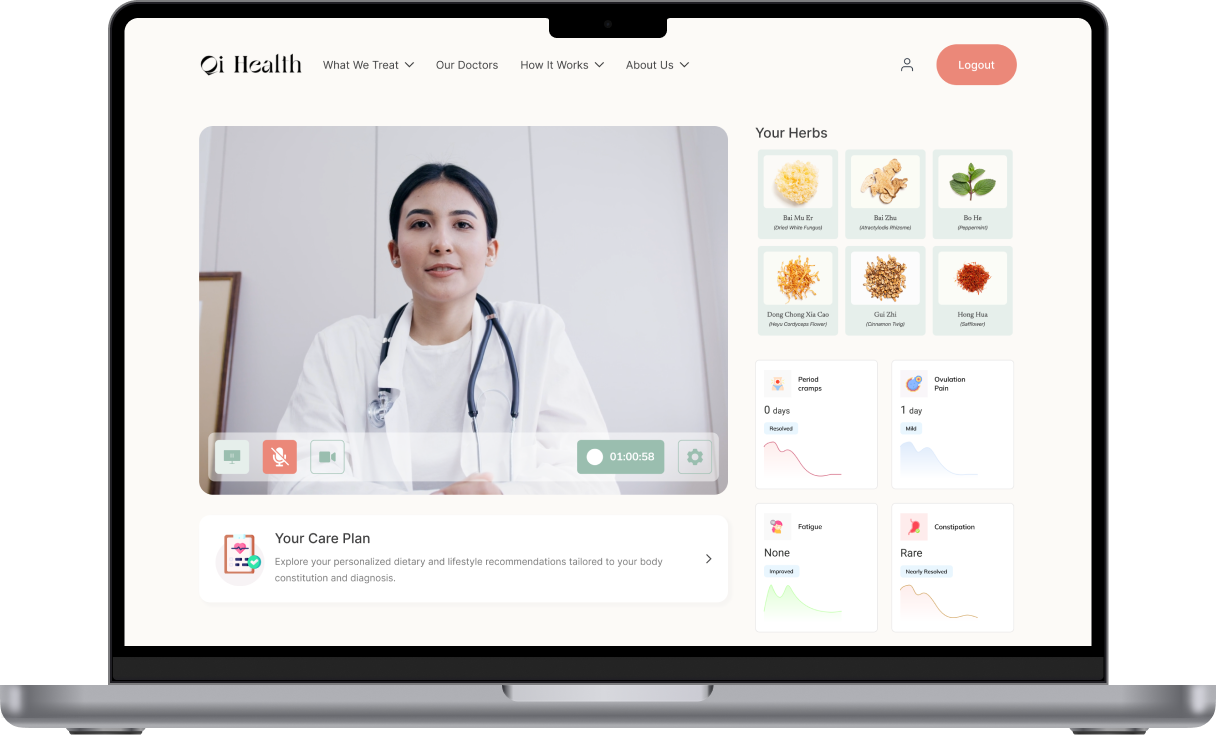
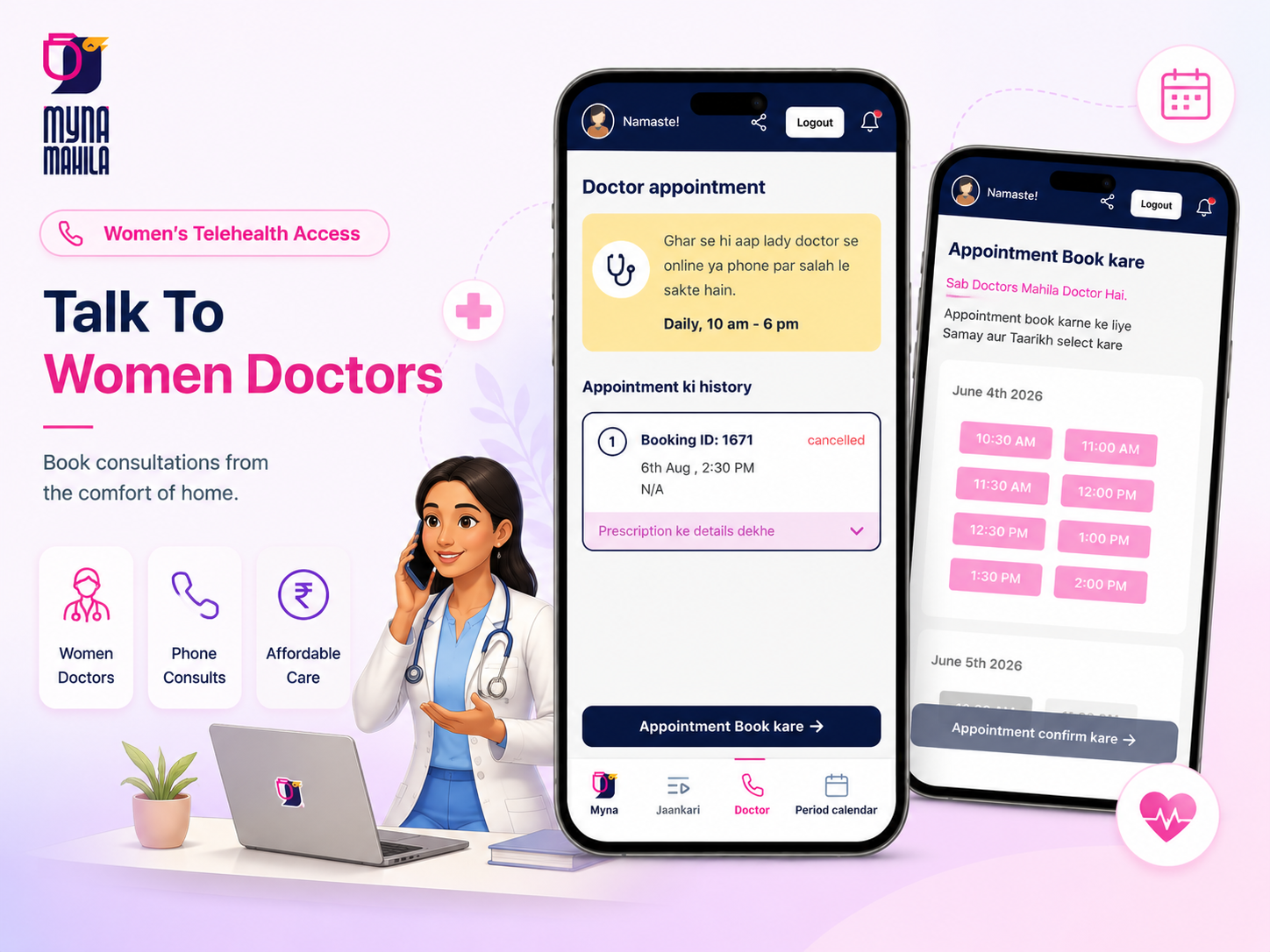
Started with why women stay away, then designed telehealth around the home: video or voice consults, appointments, reports, and prescriptions in one account—so seeing a doctor does not require another trip through stigma or logistics.
- 02
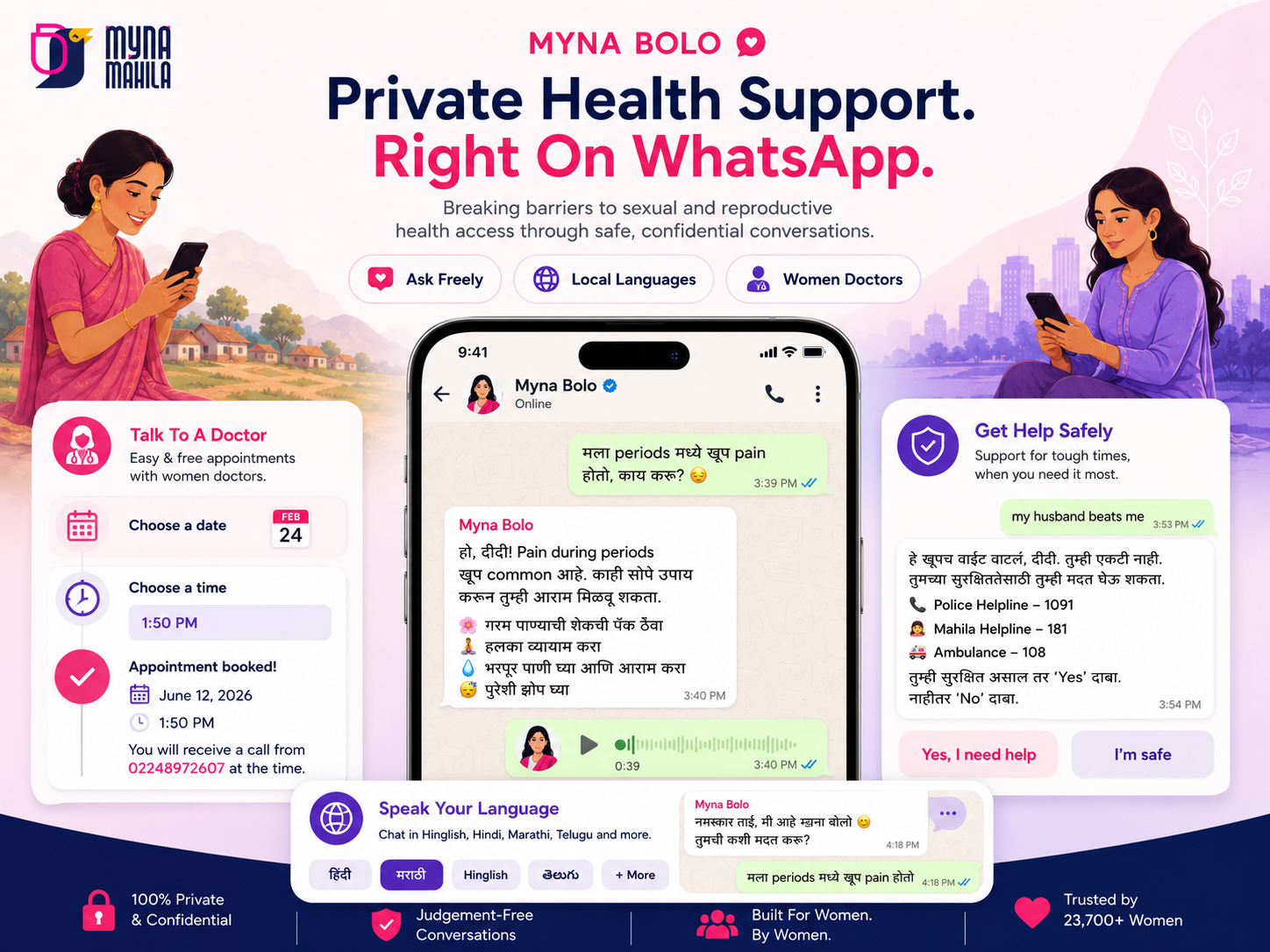
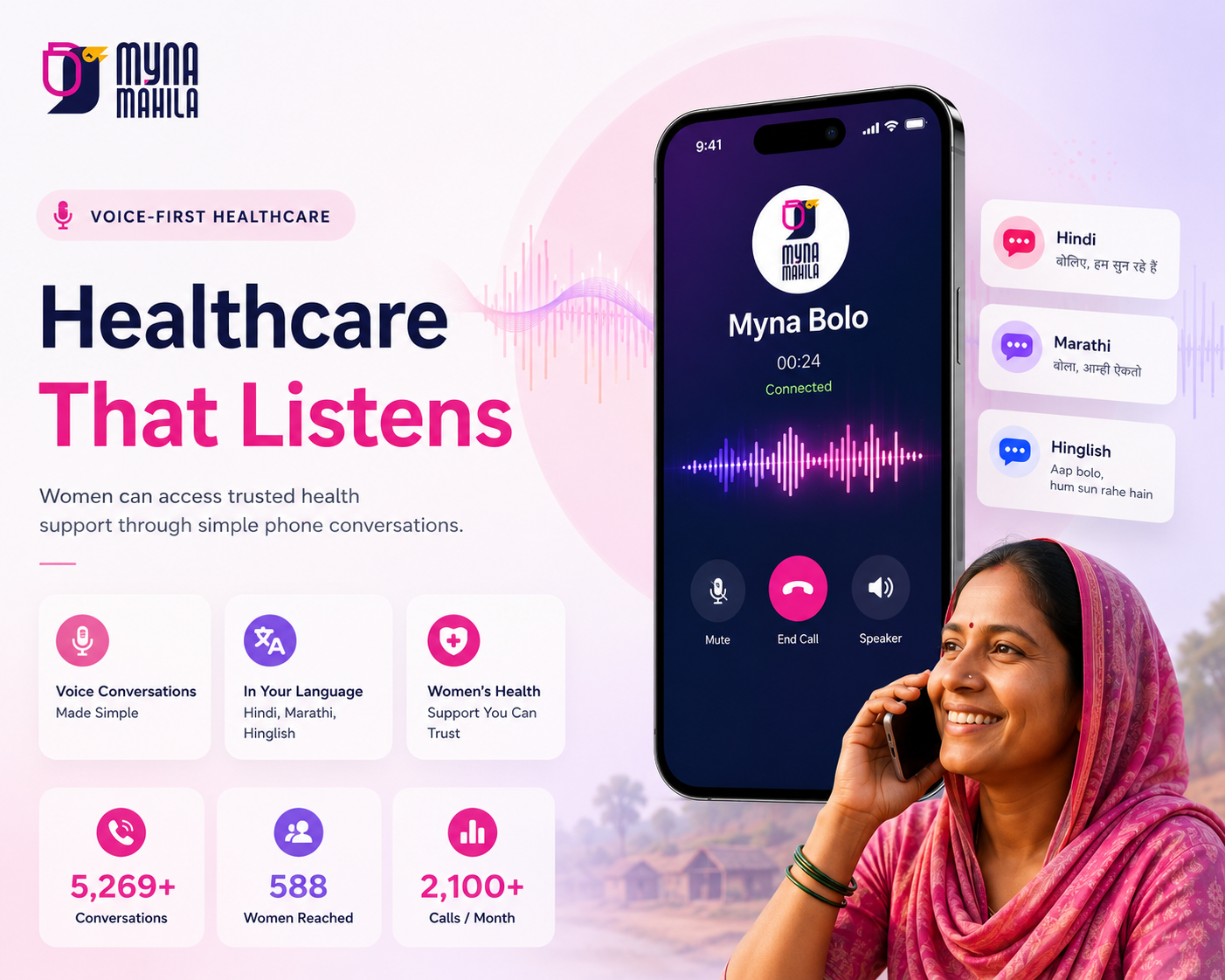
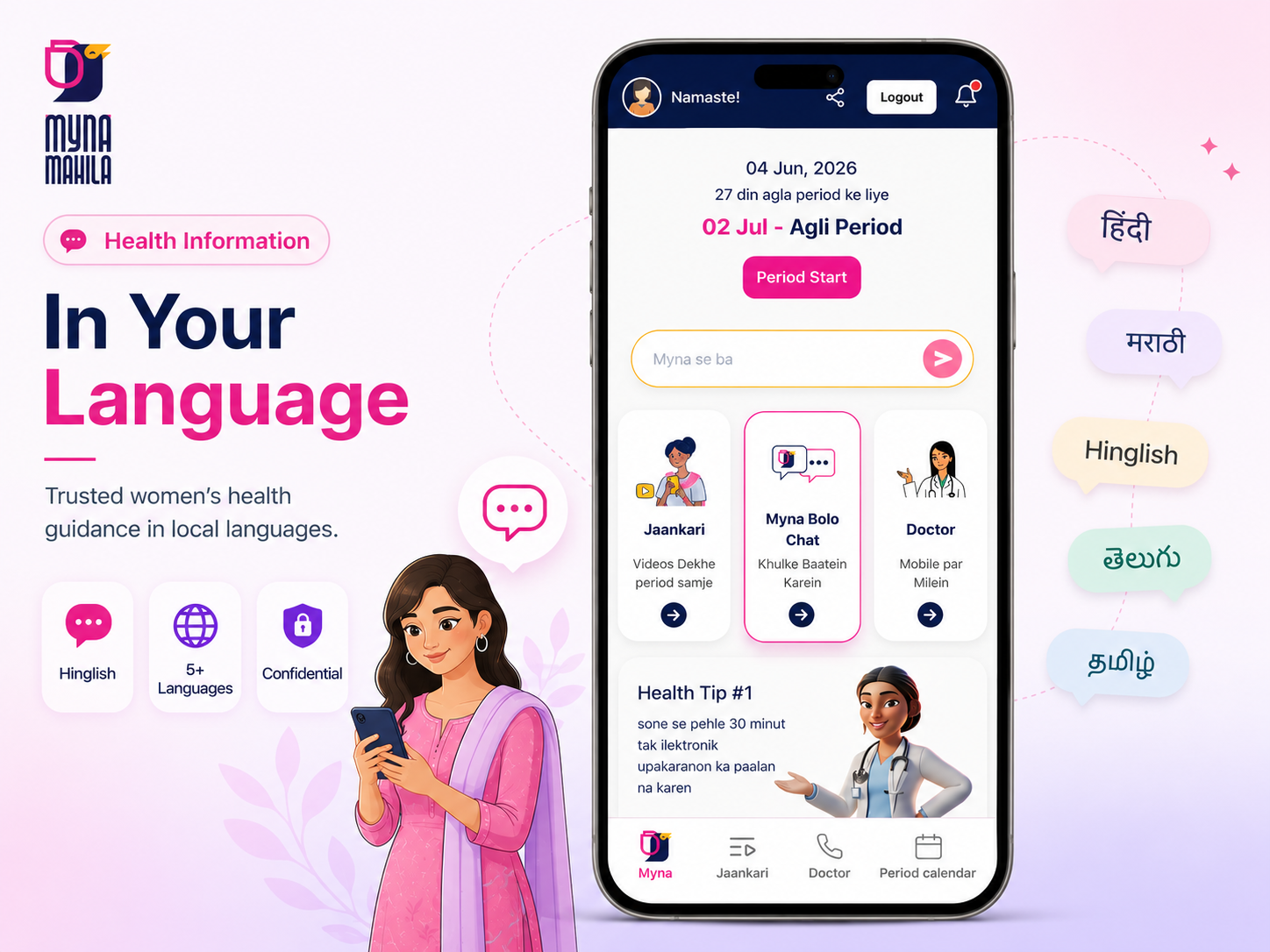
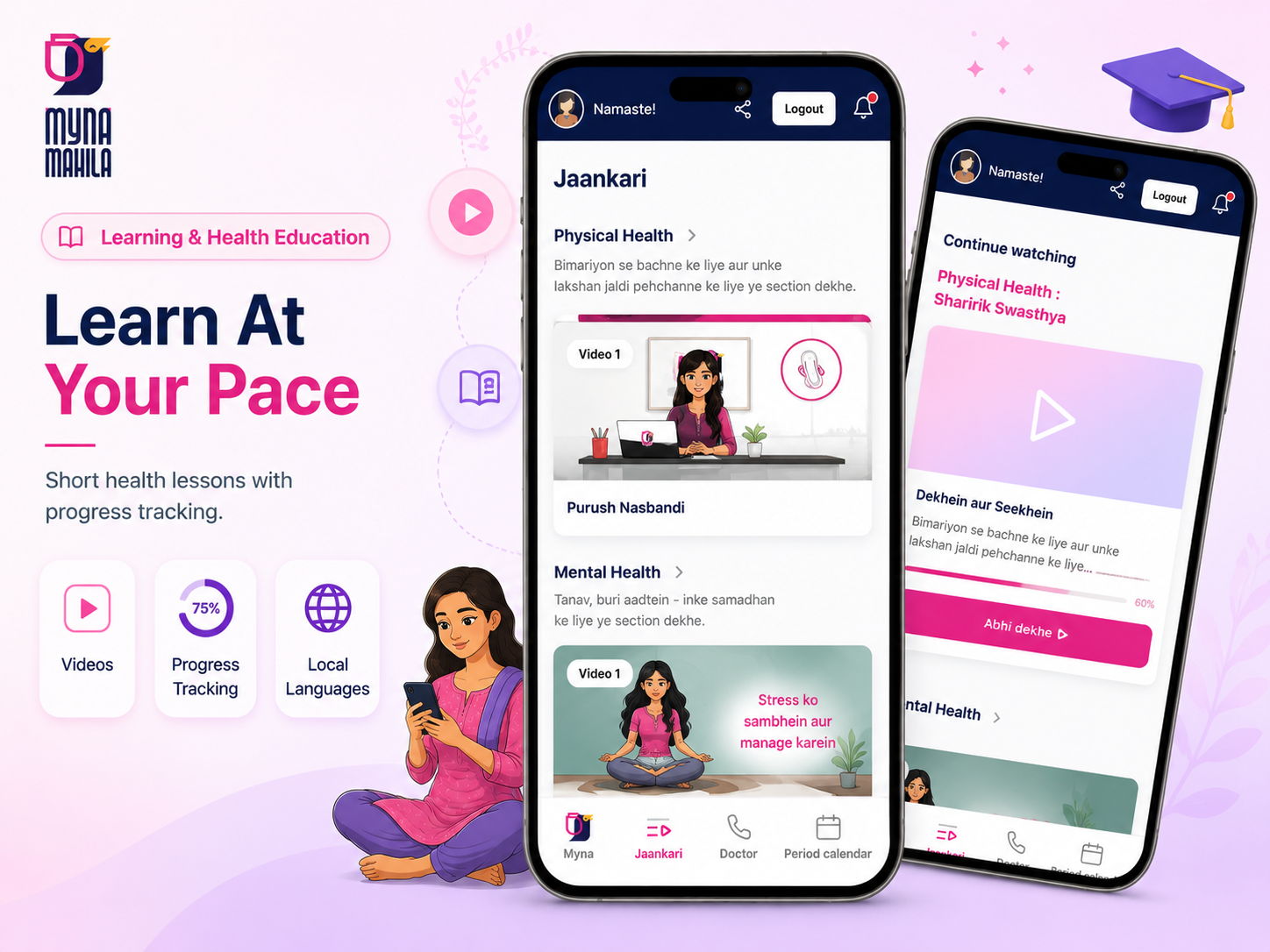
Made language and literacy part of the product, not an afterthought: vernacular web and mobile, voice and chat through Myna Bolo, Jaankari courses, and booking flows written for care in India—not a translated Western template.
- 03
Built trust into every touchpoint—phone-based sign-in women already use, clear consent in her language, and separate experiences for women, doctors, and foundation staff so sensitive data stays purposeful and accountable.
- 04
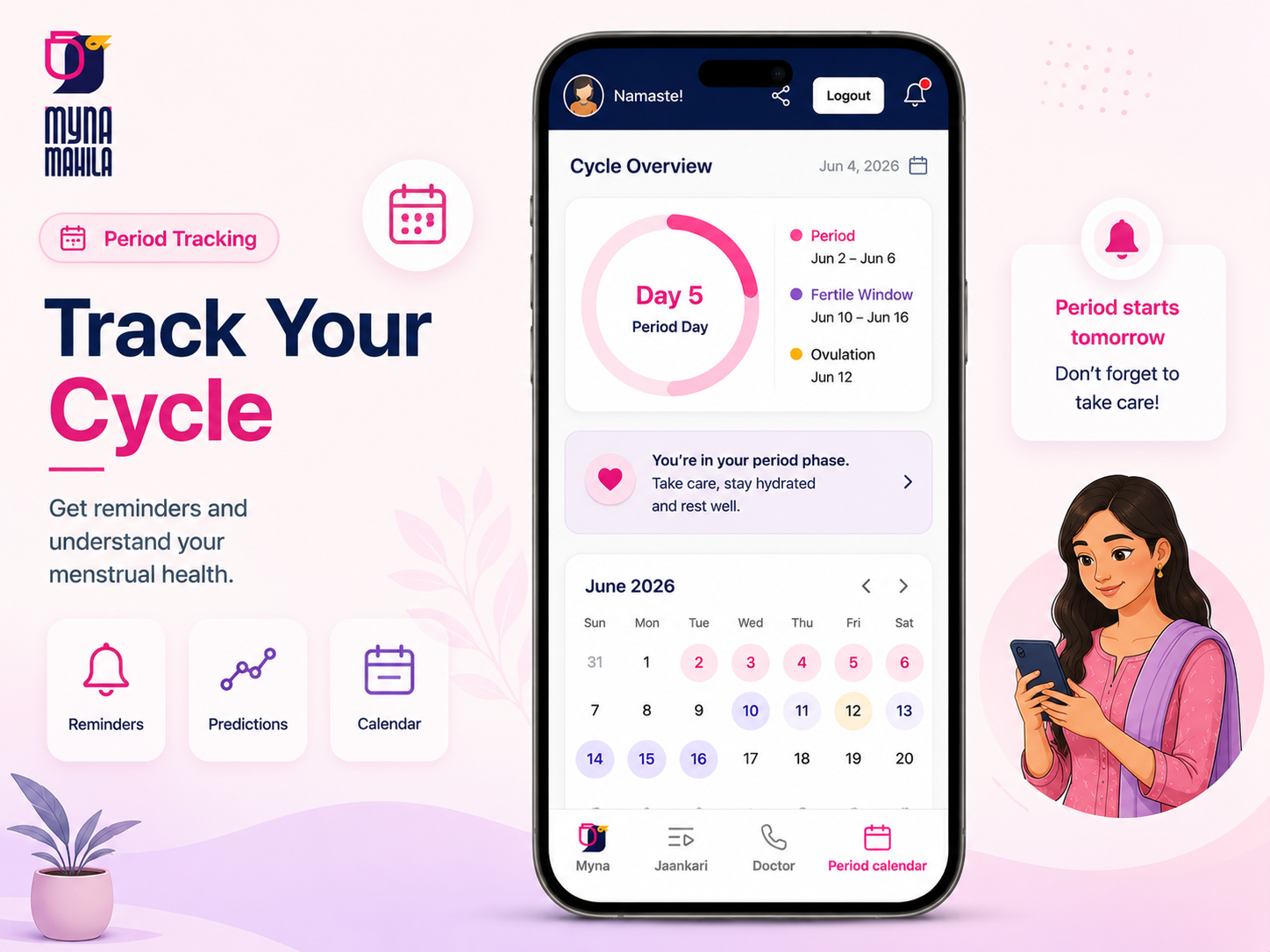
Designed operations for real NGO volume: scheduled consults, reminders, retries when calls fail, follow-up slots, period tracking, and notifications—so programs keep moving when evenings get busy and no one relies on manual callback lists.
- 05
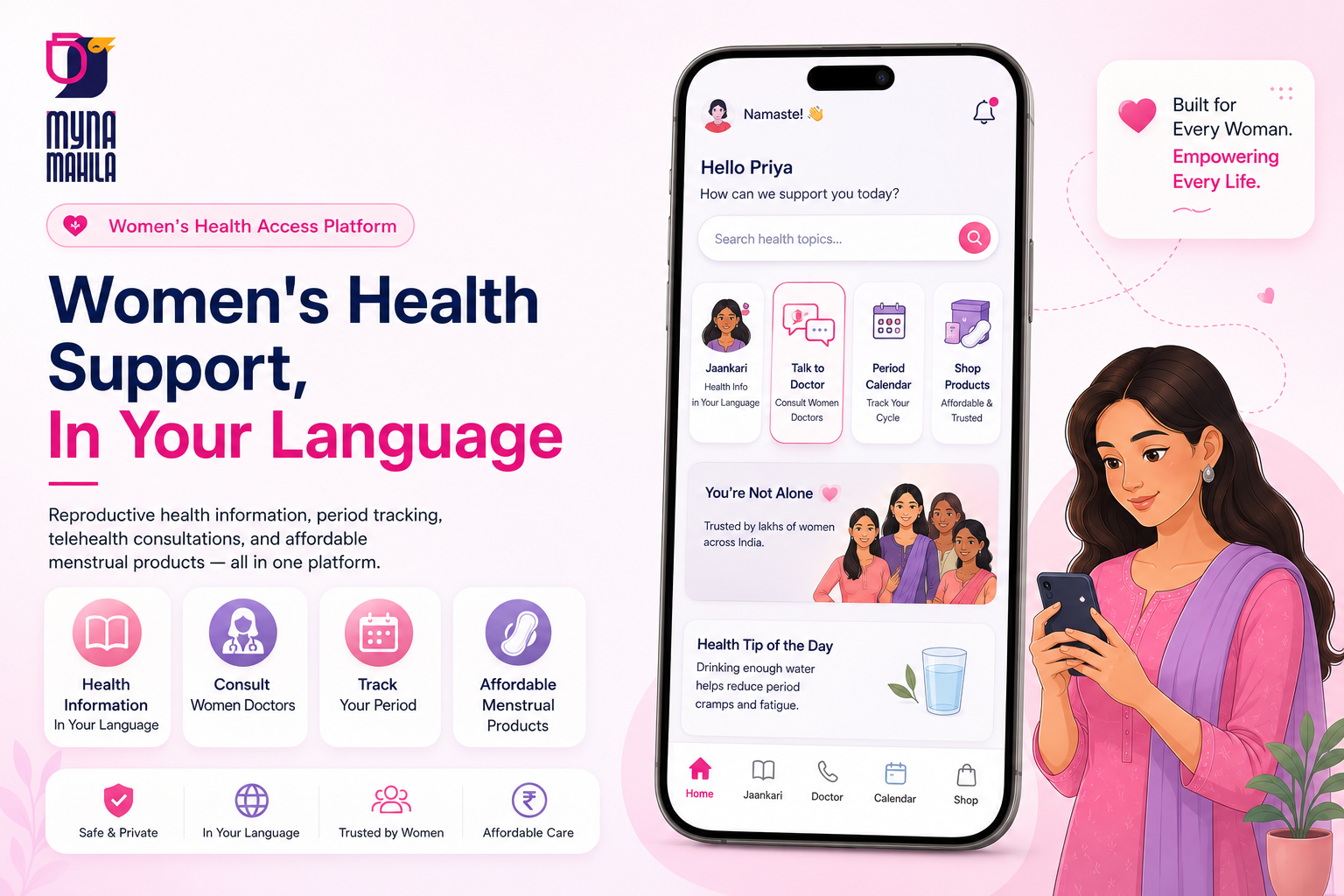
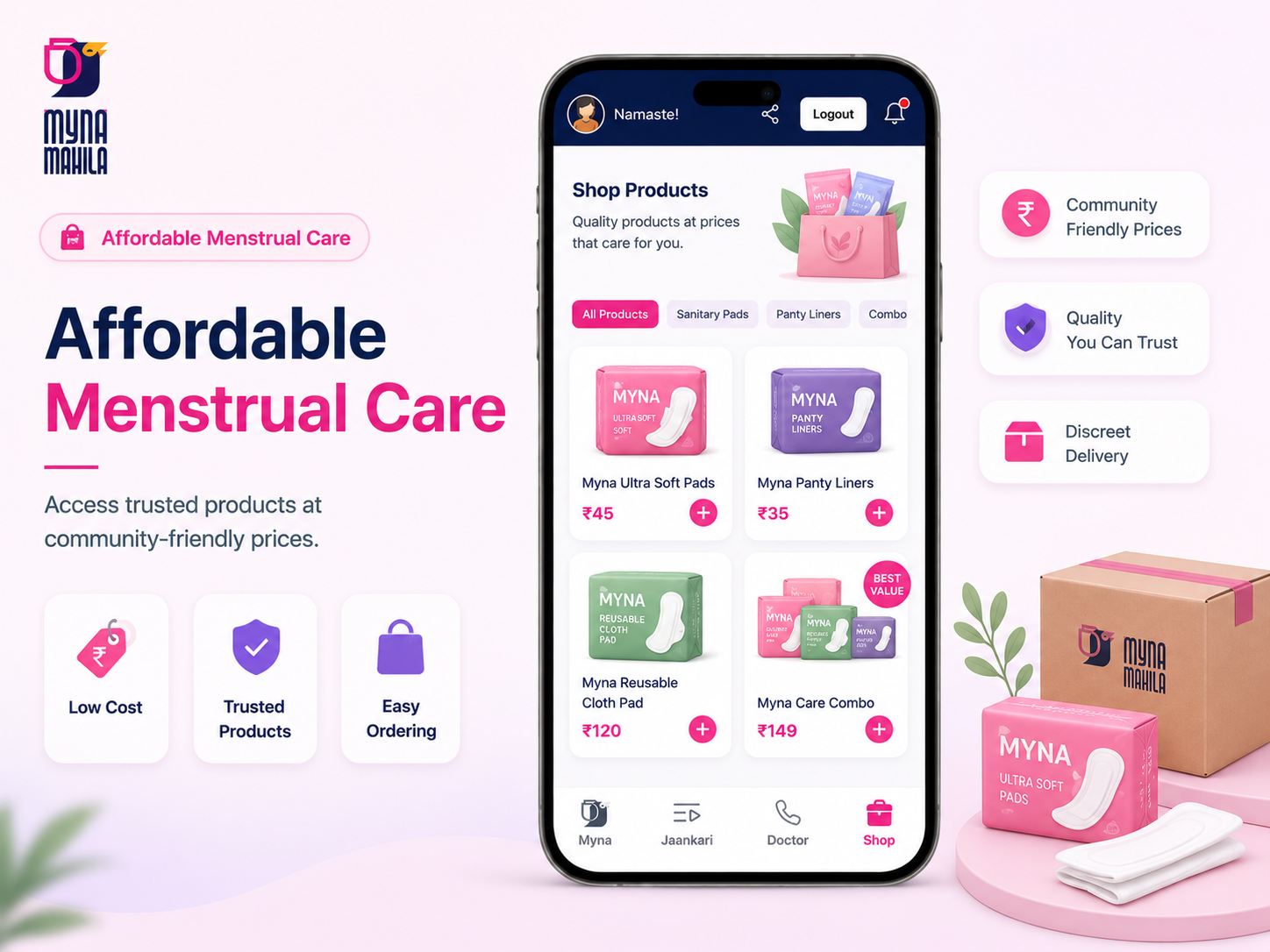
Unified the journey the foundation actually runs—learn, ask, book, treat, follow up, track, refer—on web and mobile with accessible UI and program visibility, replacing five disconnected tools with one journey teams can operate and improve.
Outcome
M-Health is in production as the foundation's front door to SRH: women learn, ask, track their cycle, and consult from home in the languages they use—while Myna Mahila runs one program on one platform instead of stitching chat, video, and spreadsheets together.